Environmental Impact

How High-Pressure Processing Reduces Food Waste, Energy Consumption, and Carbon Emissions

According to the EPA, food accounts for 24 percent of material in U.S. municipal solid waste landfills—more than any other single material—and decomposes under anaerobic conditions to produce methane, a greenhouse gas the EPA estimates is approximately 28 times more potent than CO₂ over a 100-year period. The resources consumed to grow, process, and distribute that food—water, land, energy, and labor—are wasted along with it.

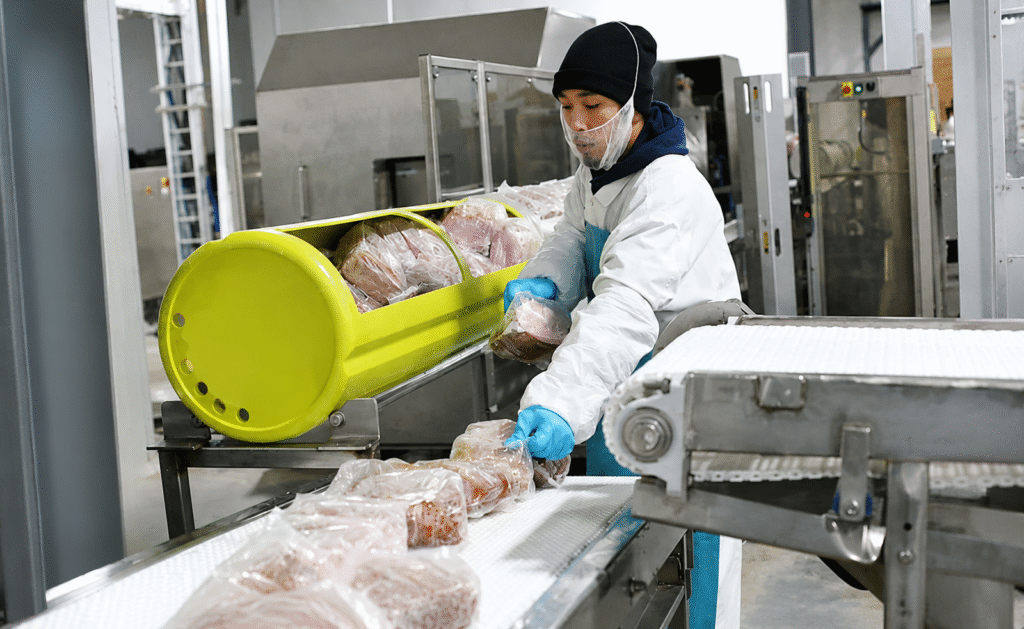
Worker loading vacuum-sealed protein packages into an HPP basket at APC

High-pressure processing addresses this problem directly. By extending refrigerated shelf life from days to weeks or months without sustained heat or synthetic preservatives, HPP keeps product out of landfills, reduces spoilage-driven waste, and lowers the total resource cost of food production across the supply chain.

The Environmental Case for HPP

Reduced Energy Consumption

APC employee monitoring process controls beside packaging equipment

Thermal pasteurization requires sustained high temperatures—energy-intensive to reach, maintain, and then reverse through cooling. HPP operates differently. Cold water is pressurized and cycled through the system; the same water is reused across multiple runs.

There is no heating cycle to power and no cooling cycle to manage afterward.

The net result is significantly lower energy consumption per unit processed compared with heat-based methods.

Lower Water Use

Blue HPP loading baskets moving through stainless-steel high-pressure processing equipment at APC

Traditional thermal processing uses water during heating, cooling, and facility cleaning. HPP systems recirculate processing water across cycles, reducing total water consumption and minimizing discharge.

Extended Shelf Life and Waste Reduction

APC employee inspecting a pallet of unbranded cartons prepared for distribution

Fresh products treated with high-pressure technology last weeks or months longer than their untreated equivalents. That extension has direct environmental consequences:

  • Less product spoils before it reaches consumers
  • Fewer returns, pull-dates, and disposal events at retail
  • Fewer replacement production runs consuming additional energy and materials
  • Reduced methane output from organic decomposition in landfills

Downstream Environmental Impacts of Food Waste

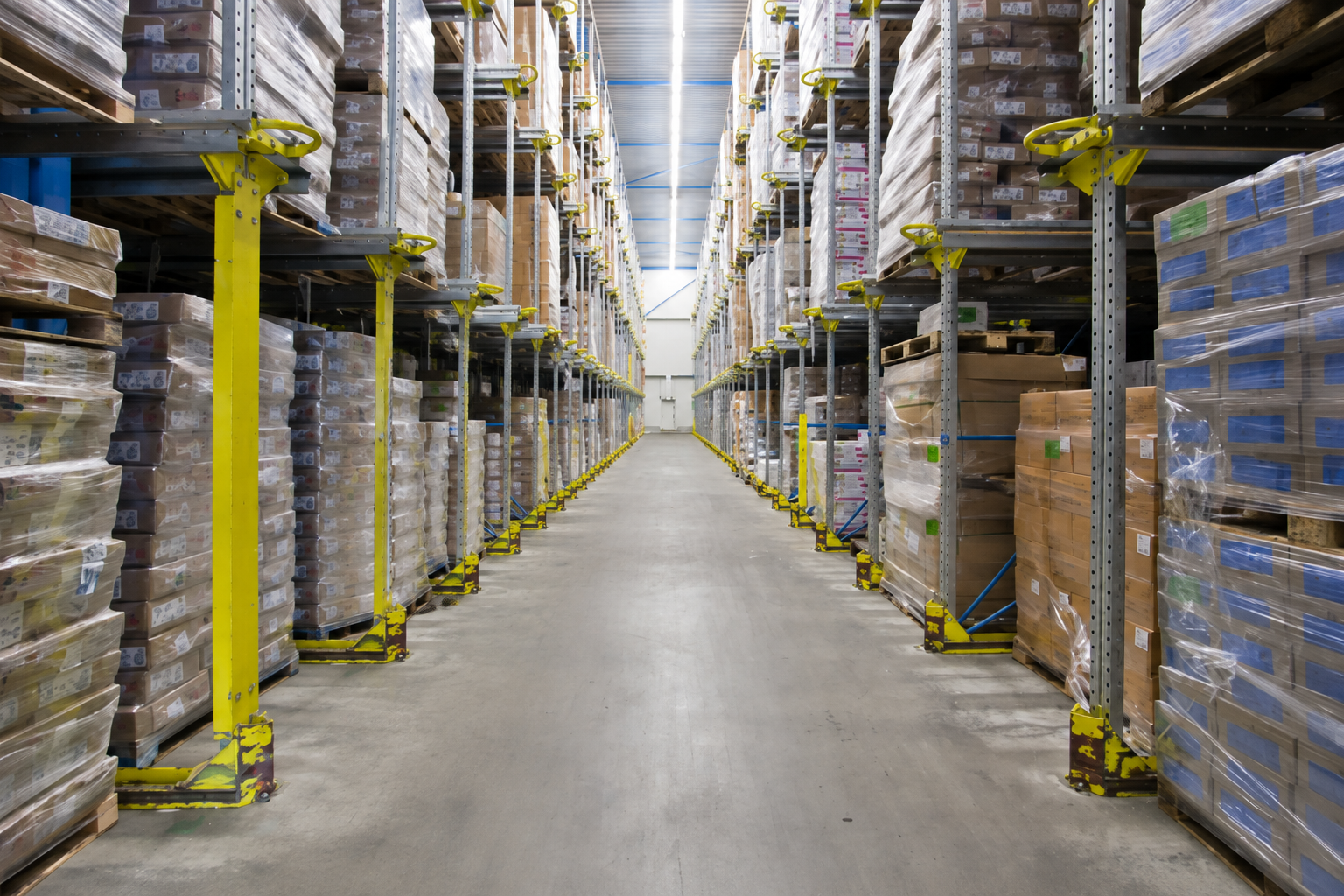
Warehouse storage aisle with tall pallet racks and stacked inventory

The consequences of food reaching landfills extend beyond the product itself:

  • Methane generation: Decomposing organic matter in anaerobic landfill conditions produces methane at a rate that makes food waste a significant contributor to greenhouse-gas totals
  • Leachate contamination: Decomposing food generates leachate, a liquid carrying chemical pollutants that can seep into groundwater and surface waterways
  • Land pressure: Every ton of food waste diverted from landfills reduces demand for landfill expansion and preserves land for agricultural or conservation use
  • Resource multiplier effect: Food that reaches a landfill takes with it all the water, energy, and labor invested in its production; waste compounds at every prior stage of the supply chain

Packaging and HPP: Addressing the Plastic Question

This is where many sustainability conversations about HPP stall. HPP requires packaging that is flexible, durable, leak-proof, and capable of withstanding up to 87,000 psi of hydrostatic pressure. That requirement effectively rules out glass. It also rules out cardboard, styrofoam, and most rigid non-plastic formats.

Plastic is the viable option. That fact deserves more scrutiny than a dismissal — because when evaluated across the full production and distribution lifecycle, plastic packaging paired with HPP frequently has a lower total environmental impact than glass alternatives.

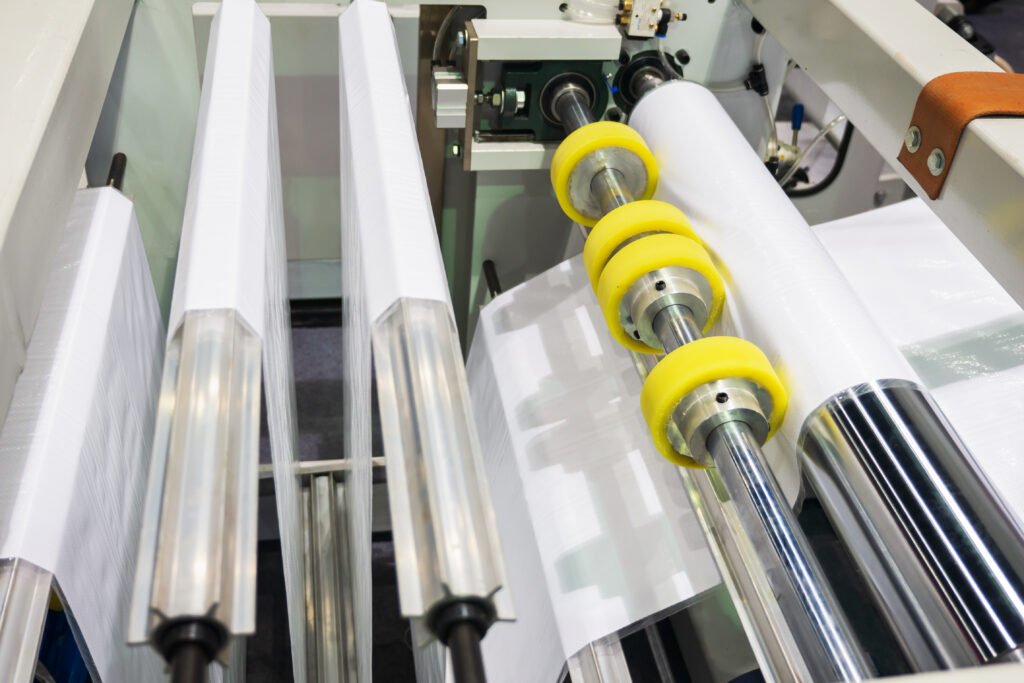
Flexible packaging film moving through industrial rollers

Weight and Transportation Emissions

Plastic is 10–12 times lighter than glass for equivalent volume. On a loaded truck, that weight difference translates to 20–40% less fuel consumed per unit. Lighter loads also allow trucks to be filled more efficiently—more units per run, fewer total trips, and lower cumulative emissions.

Manufacturing Energy

Producing glass requires temperatures approaching 2,600°F and consumes up to ten times more energy per bottle than plastic production. PET plastic melts at significantly lower temperatures, with corresponding reductions in fuel use and manufacturing emissions.

Breakage and Product Loss

Glass breaks during filling, transit, and shelving. Each breakage event is both a product loss and an environmental cost; the resources invested in that product are discarded along with the packaging. Plastic’s durability eliminates this failure mode.

Packaging Efficiency

Plastic packaging is customizable and compressible in ways glass is not. Paired with HPP-optimized packaging design, this enables more units per crate or truck, less secondary packaging material, and lower energy consumption per unit processed.

The full lifecycle—manufacturing, filling, transport, distribution, and end-of-life—is the relevant unit of analysis, not the material category alone.

Flexible packaging film moving through industrial rollers

APC’s Role in Sustainable Food Processing

Founding Member of the Cold Pressure Council

American Pasteurization Company is a founding member of the Cold Pressure Council, the industry organization that promotes HPP standardization, administers the High Pressure Certified® mark, and advances education on HPP’s food-safety and environmental benefits.

APC’s involvement with the Council reflects more than 20 years of operational commitment to high-pressure technology—not as a sustainability marketing position, but as the foundation of how we process food.

Visit the Cold Pressure Council

What That Means in Practice

  • HPP systems at both APC facilities recirculate processing water, minimizing consumption and discharge
  • For customers using APC’s integrated manufacturing and HPP model, co-location eliminates inter-facility transport, reducing cold-chain fuel consumption and temperature-abuse risk
  • Extended refrigerated shelf life directly reduces spoilage-driven waste across customer distribution networks
  • Packaging consultation includes lifecycle considerations; APC helps customers evaluate materials against both HPP compatibility and total environmental impact
APC employees loading unpackaged food into HPP baskets on a processing line

For Brands with Sustainability Commitments

Sustainability claims require substantiation. Retailers, institutional buyers, and increasingly consumers expect documentation, not positioning language.

What HPP Enables You to Claim

HPP provides a measurable mechanism: documented refrigerated shelf-life extension, quantifiable reduction in spoilage rates, and a processing method that operates without sustained heat or synthetic chemical inputs. These are claims that can be tested, validated, and reported.

APC’s food-safety and quality protocols, SQF-certified facilities, and laboratory partnerships provide the documentation infrastructure to support those claims through the supply chain.

Review Food Quality & Safety

Evaluate HPP Against Your Sustainability Requirements

Tell us about the product, packaging, refrigerated shelf-life target, current waste profile, and the environmental claims or reporting requirements you need to support.

Contact APCRead the HPP FAQ