APC employee handling food beside high-pressure processing equipment and green product baskets

Find Your Product

Evaluate product and packaging fit before you scale.

APC reviews product category, formulation, packaging format, food-safety and refrigerated shelf-life objectives, scale, and timing before accepting an HPP or manufacturing program.

What Determines Product Fit

Product and Formulation

Product type, pH, water activity, solids, fat content, particulates, texture, viscosity, and sensory expectations affect whether HPP is appropriate and how the product may perform after processing.

Package and Seal System

HPP is performed after the product is sealed. The package must tolerate pressure, water exposure, closure stress, label behavior, and post-process handling without leaking, rupturing, or losing its intended function.

Scale, Timing, and Operating Model

APC reviews batch size, facility capabilities, manufacturing requirements, packaging needs, cold-chain requirements, commercial timing, and production availability before accepting a program.

Food Safety, Shelf Life, and Regulatory Objective

The technical pathway changes depending on whether the objective is pathogen reduction, refrigerated shelf-life extension, clean-label reformulation,

retailer compliance, recall-risk reduction, or validation for a regulated product.
Product Categories APC Commonly Evaluates

The examples below represent the kinds of refrigerated products APC commonly reviews for HPP and, where applicable, integrated manufacturing. They are examples, not acceptance guarantees; final fit depends on the specific formulation, package, process, regulatory category, volume, and production requirements.
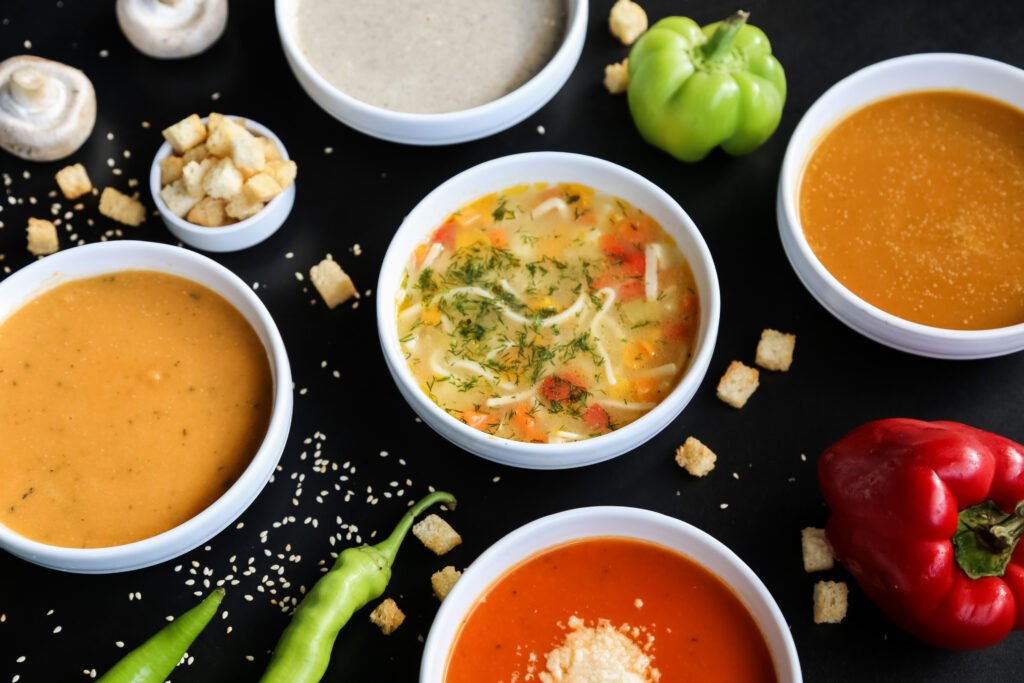
Five varieties of prepared soup arranged for refrigerated product-category evaluation

Soups, Sauces, Stews, Curries, and Prepared Components

High-moisture refrigerated products are often strong candidates for HPP review when the formulation and package can tolerate pressure.

Examples include:
  • Soups, stews, bisques, chili, and chowders
  • Pasta sauces, gravies, curries, marinades, and cooking bases
  • Prepared proteins in sauce
  • Meal helpers, fillings, and prepared components
  • Bulk refrigerated products for foodservice or downstream processing
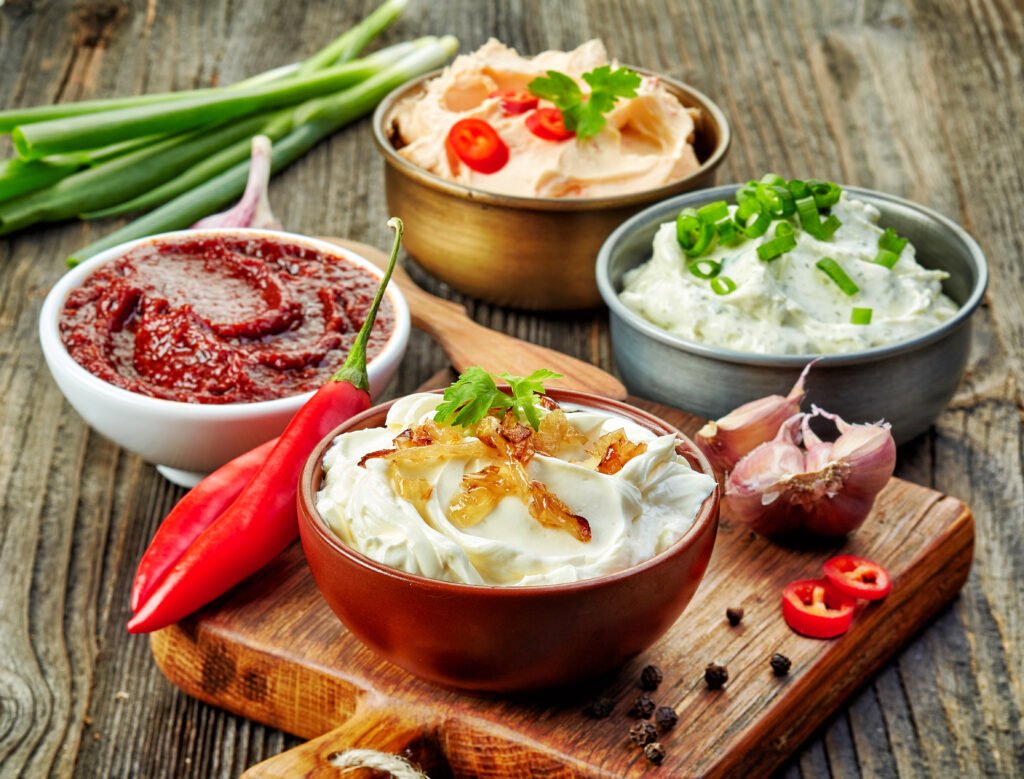
Four unbranded refrigerated dips arranged on a wooden board

Dips, Spreads, Salsas, Dressings, and Condiments

HPP is widely used for refrigerated dips and sauces when brands want fresher flavor, longer refrigerated shelf life, and reduced dependence on synthetic preservatives.

Examples include:
  • Salsa, guacamole, and hummus-style spreads
  • Refrigerated dips and wet salads
  • Dressings, marinades, chutneys, and condiments
  • Dairy-based, emulsion-based, or high-fat products that receive product-specific review
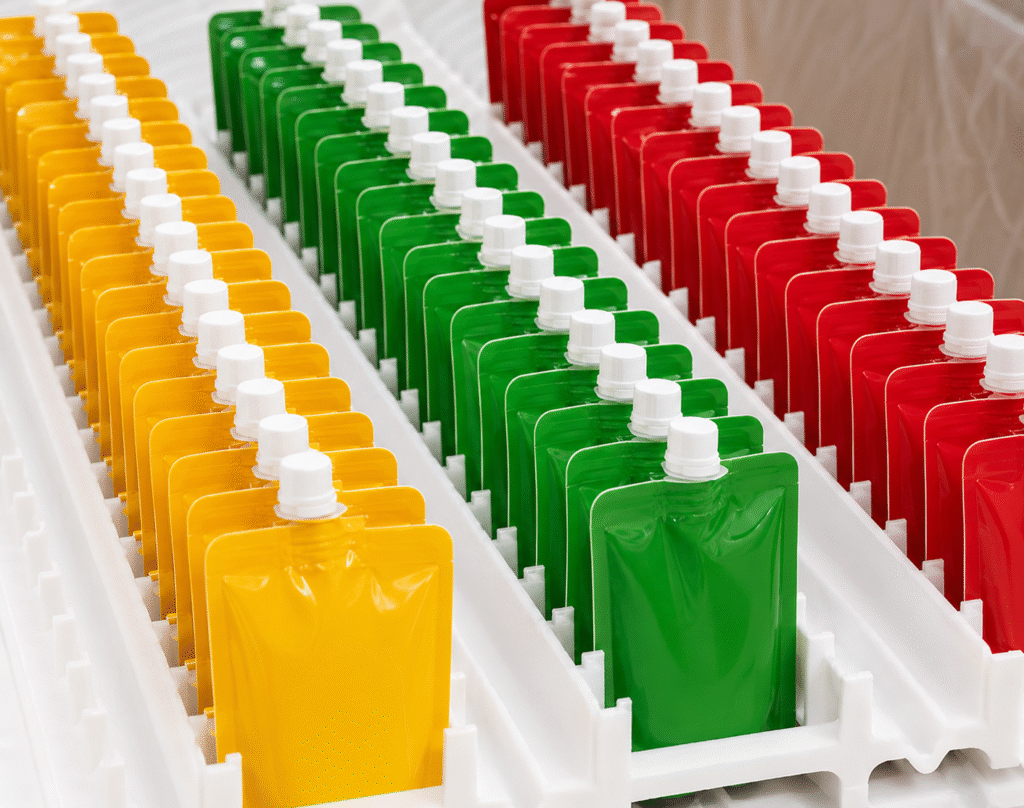
Rows of unbranded colored squeeze pouches staged in production trays at APC

Squeeze Pouches, Purées, Smoothies, and Children’s Products

Flexible pouches can perform well under HPP when the material, closure, fill level, headspace, viscosity, and seal system are compatible.

Examples include:
  • Fruit and vegetable purées
  • Mixed fruit-and-vegetable pouches
  • Smoothies and protein blends
  • Yogurt, kefir, chia, and breakfast products
  • Puréed soups, sauces, and refrigerated concentrates
  • Children’s refrigerated food formats
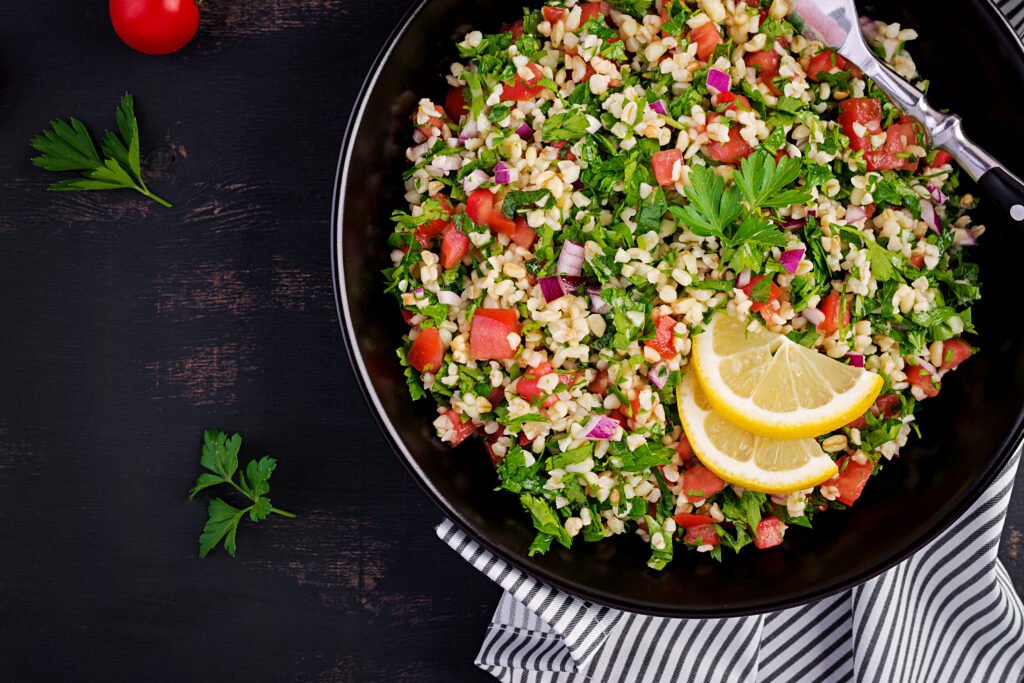
Prepared tabbouleh grain salad in a bowl for ready-to-eat product evaluation

Ready-to-Eat Meals, Bowls, Sides, and Meal Components

Prepared refrigerated meals and components may benefit from HPP when they are designed for sealed-package processing and refrigerated distribution.

Examples include:
  • Single-serve entrées, pasta dishes, and casseroles
  • Grain bowls, rice dishes, and prepared sides
  • Soups, stews, wet salads, and seasonal foods
  • Meal kits and specialty meal components
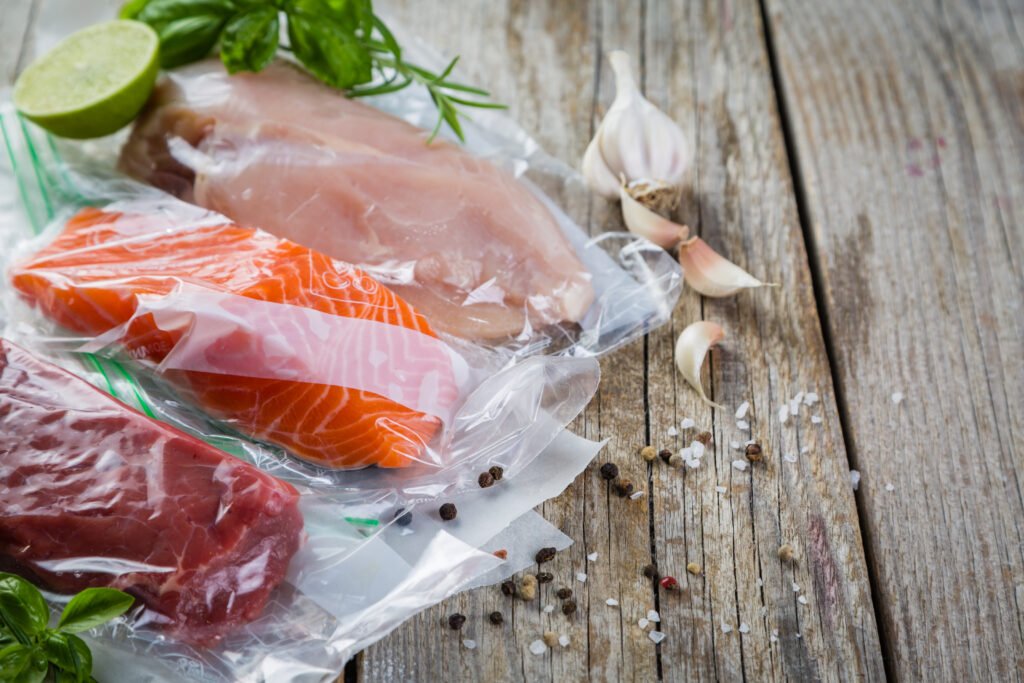
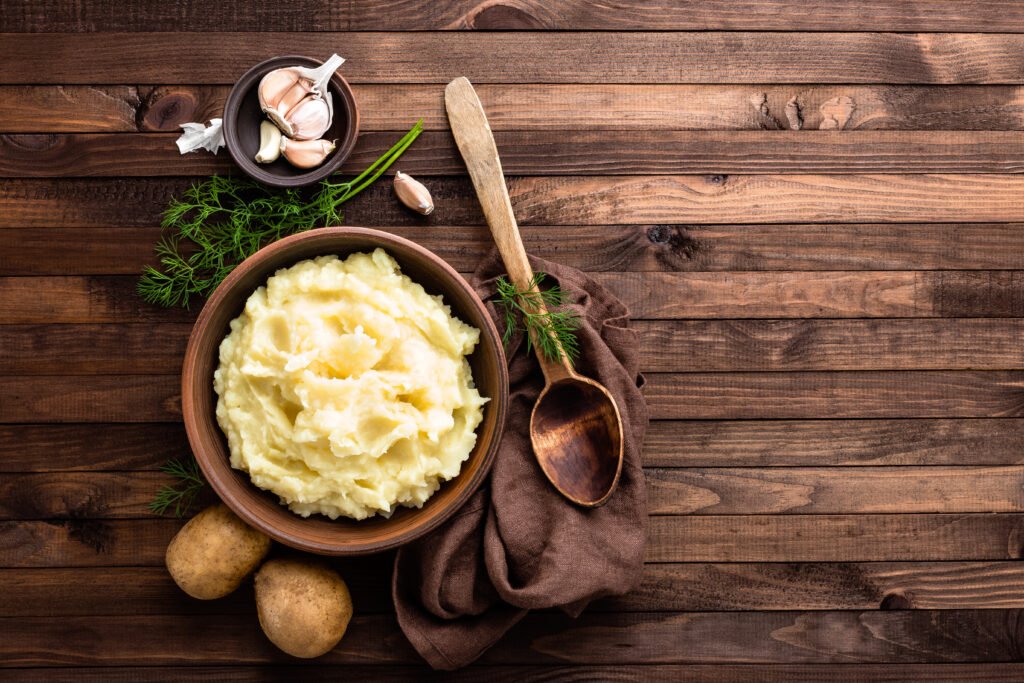
Vacuum-sealed chicken, salmon, and beef portions prepared for refrigerated processing review

Prepared Proteins, Seafood, and Specialty Refrigerated Components

Prepared proteins and seafood require careful regulatory, sensory, validation, and packaging review. APC evaluates these projects case by case.

Examples include:
  • Prepared proteins in sauce
  • Shredded or pulled proteins
  • Marinated components
  • Seafood dishes and refrigerated seafood items
  • Plant-based protein components
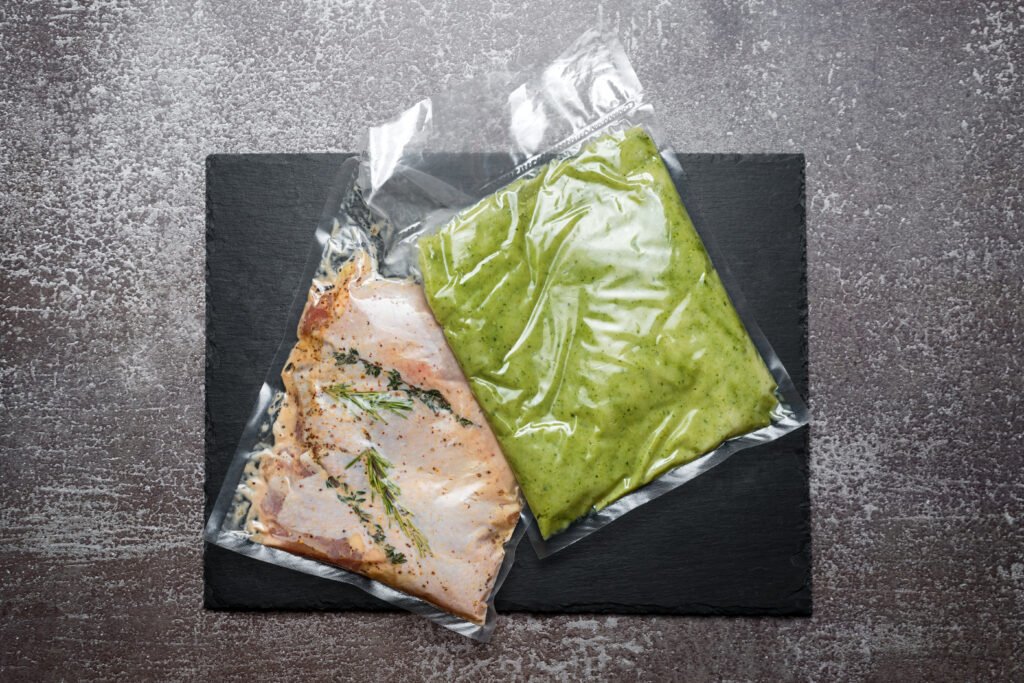
Prepared mashed potatoes presented as a refrigerated seasonal side

Seasonal, Specialty, and Clean-Label Refrigerated Products

Short-run, seasonal, and specialty products can be a good fit when packaging, refrigerated shelf life, production timing, and HPP requirements are reviewed early.

Examples include:
  • Holiday sides and seasonal prepared foods
  • Limited-run sauces, spreads, and purées
  • Premium refrigerated specialties
  • Clean-label reformulations
  • Retail-ready refrigerated products

Manufacturing and Format Pathways

Two unbranded flexible packages containing prepared refrigerated foods for bulk-format evaluation

Bulk Bagging

Bulk-bagged formats may be appropriate for soups, sauces, stews, curries, prepared sides, proteins, grains, spreads, and refrigerated components intended for foodservice, institutional use, or further processing.

Rows of filled unbranded squeeze pouches staged in production trays at APC

Squeeze Pouch Filling

Squeeze pouches are used for smooth or semi-smooth products such as fruit and vegetable blends, children’s foods, smoothies, breakfast products, sauces, soups, dips, and refrigerated concentrates.

Prepared mashed potatoes representing refrigerated ready-to-eat meals and sides

Ready-to-Eat Meals and Sides

APC evaluates refrigerated meals, bowls, casseroles, proteins in sauce, grain dishes, vegetable sides, and seasonal products that can be packaged before HPP.

Open carton moving through automated conveyor equipment for post-HPP pack-off and assembly

Post-HPP Pack-Off and Assembly

After processing, APC can provide date coding, labeling, shrink sleeving, lidding, tamper banding, inspection, cartoning, palletizing, and pack-off.

Packaging Requirements for HPP

Packaging is part of the HPP process, not an afterthought. The sealed product is placed in a pressure vessel, surrounded by cold water, and subjected to pressures as high as 87,000 psi. The package must compress and recover without losing seal integrity or allowing water to enter.

Successful HPP packaging generally needs to be flexible enough to tolerate pressure, durable enough to maintain the seal, resistant to water exposure, and suitable for refrigerated distribution after processing.
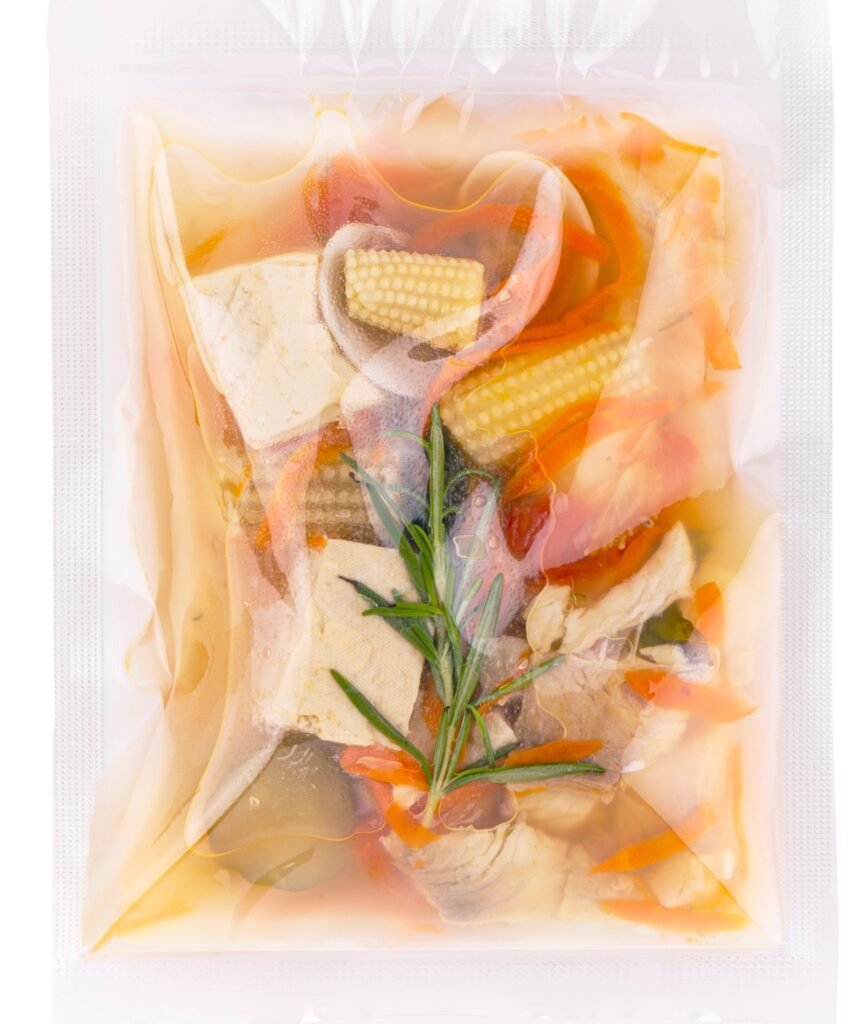
Unbranded sealed pouch containing a tofu and vegetable meal for HPP packaging review
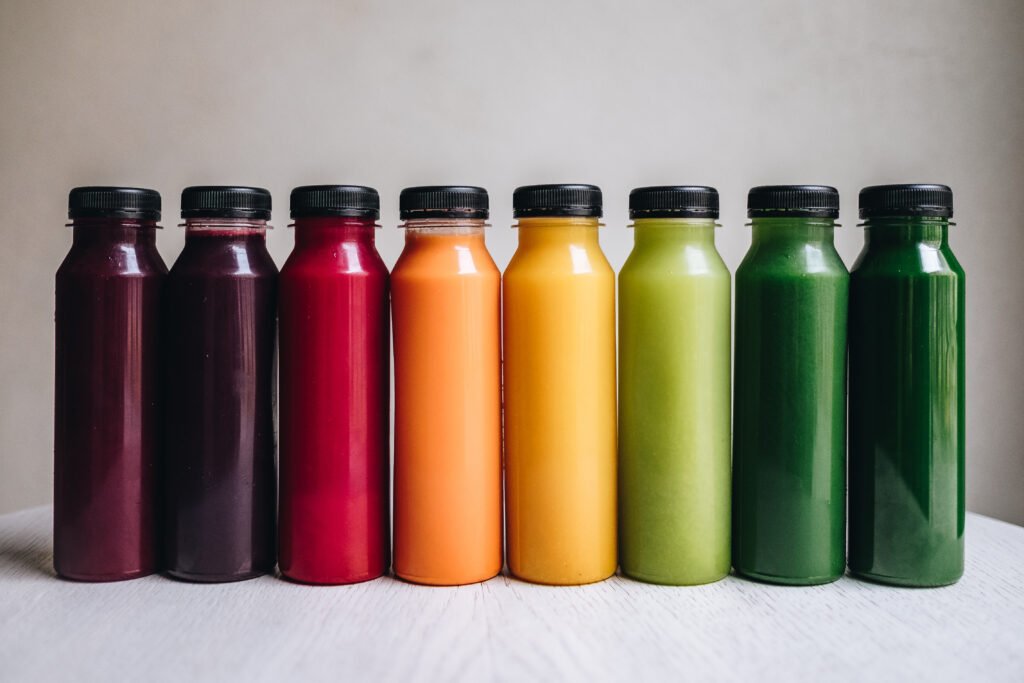
Eight unbranded cold-pressed juices in clear plastic bottles illustrating strong HPP packaging candidates

Usually Strong HPP Packaging Candidates

  • Flexible plastic pouches
  • High-barrier films
  • Selected vacuum-sealed flexible packages
  • Certain plastic cups, tubs, trays, and bottles with adequate flex
  • Selected induction-sealed formats that pass pressure testing
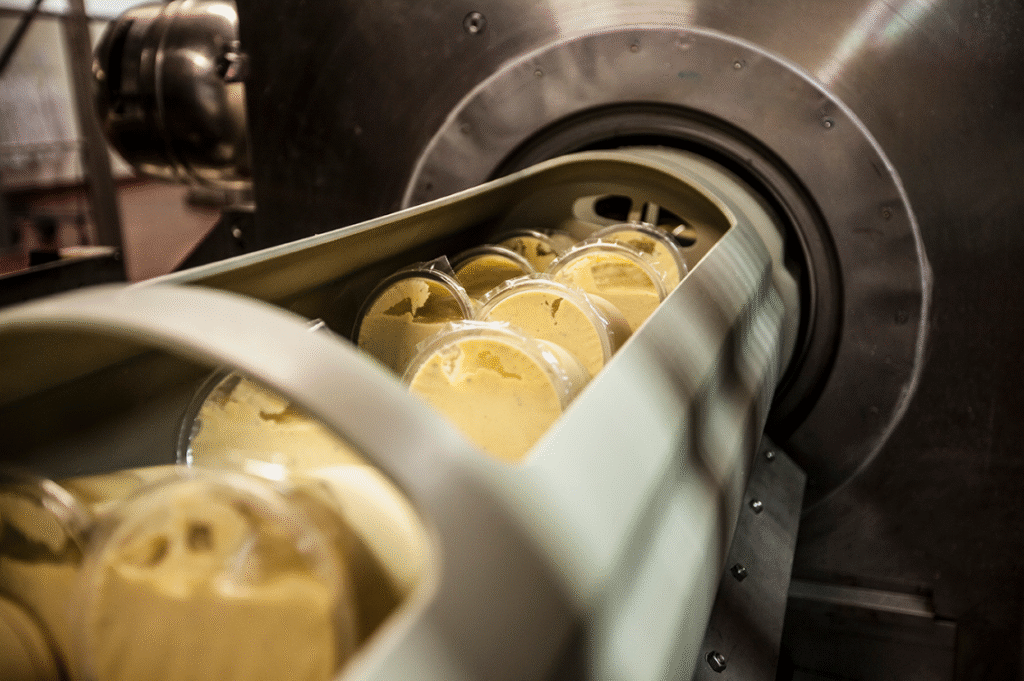
Lidded rigid plastic food cups in an HPP basket illustrating packaging that requires technical review

Packaging That Requires Technical Review

  • Rigid or semi-rigid containers
  • Packages with meaningful headspace
  • Closures, caps, valves, or fitments
  • Labels, sleeves, inks, and adhesives exposed to water and pressure
  • Multi-compartment packages
  • Packages with sharp corners, brittle features, or inconsistent seals
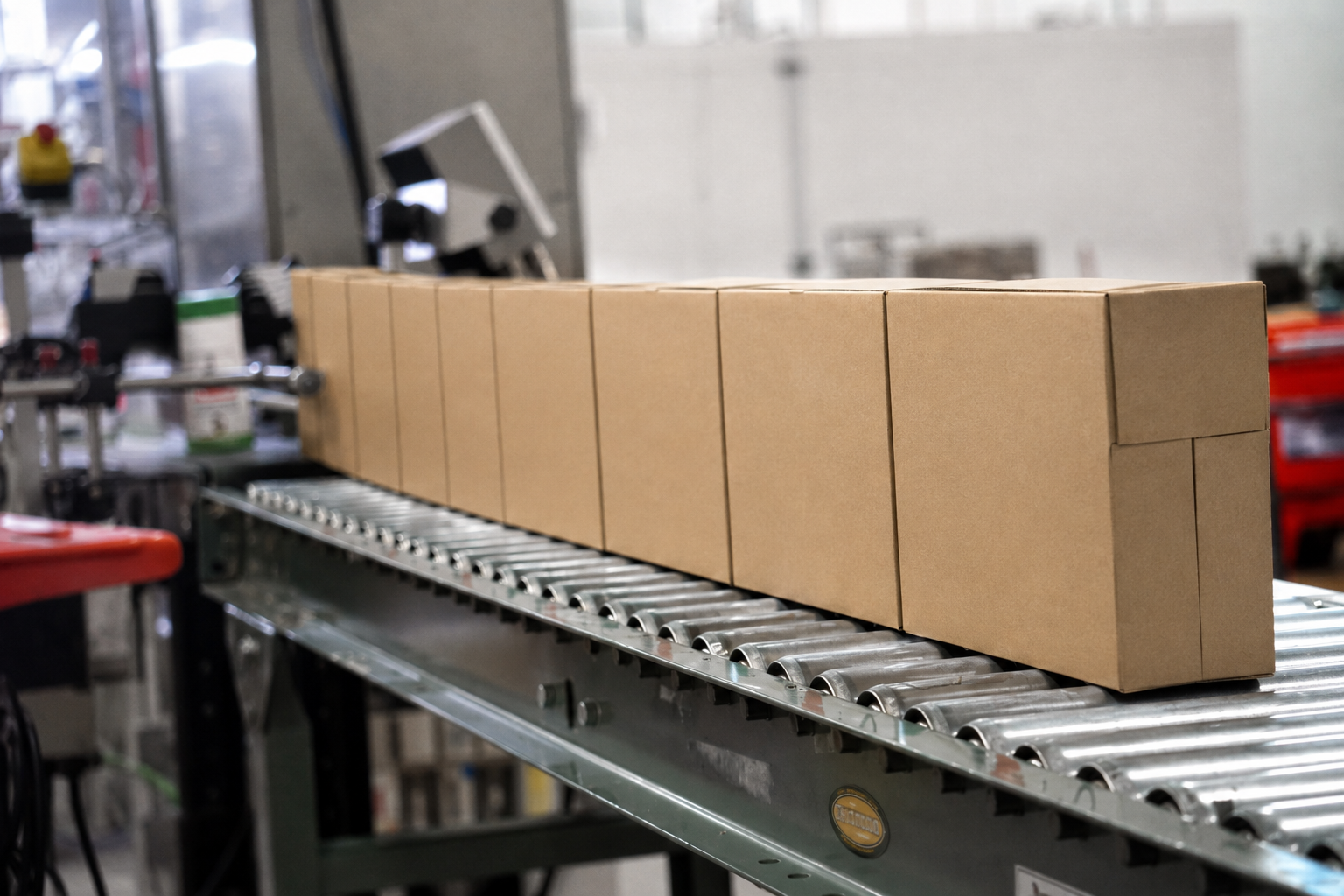
Plain unbranded corrugated cardboard boxes moving along an APC production conveyor, representing packaging generally unsuitable for HPP

Generally Poor HPP Packaging Fit

  • Glass containers
  • Metal cans
  • Cardboard, paperboard, styrofoam, and other porous materials
  • Brittle rigid plastics
  • Leaking, weakly sealed, or untested packages
  • Formats that require filling after HPP

Packaging failure is one of the most common causes of a delayed HPP launch. Testing the package during development allows material, seal, closure, label, and headspace problems to be addressed before commercial production.

When HPP Is Worth Evaluating

HPP is most useful when a product needs a validated food-safety step, longer refrigerated shelf life, clean-label preservation, or a quality-preserving alternative to heat. It is not the right process for every product.
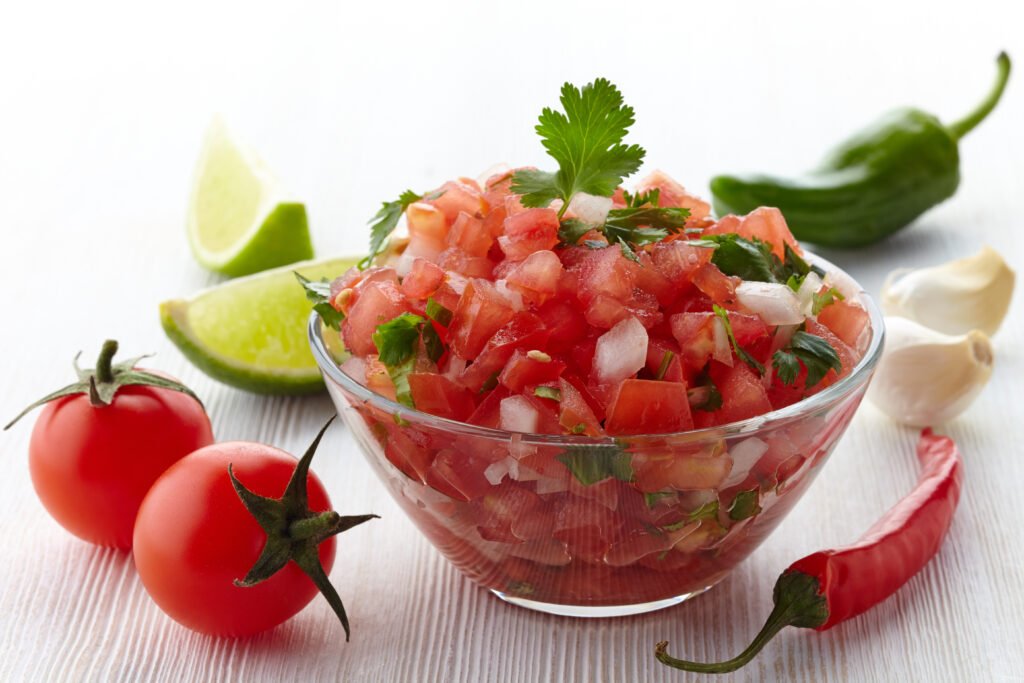
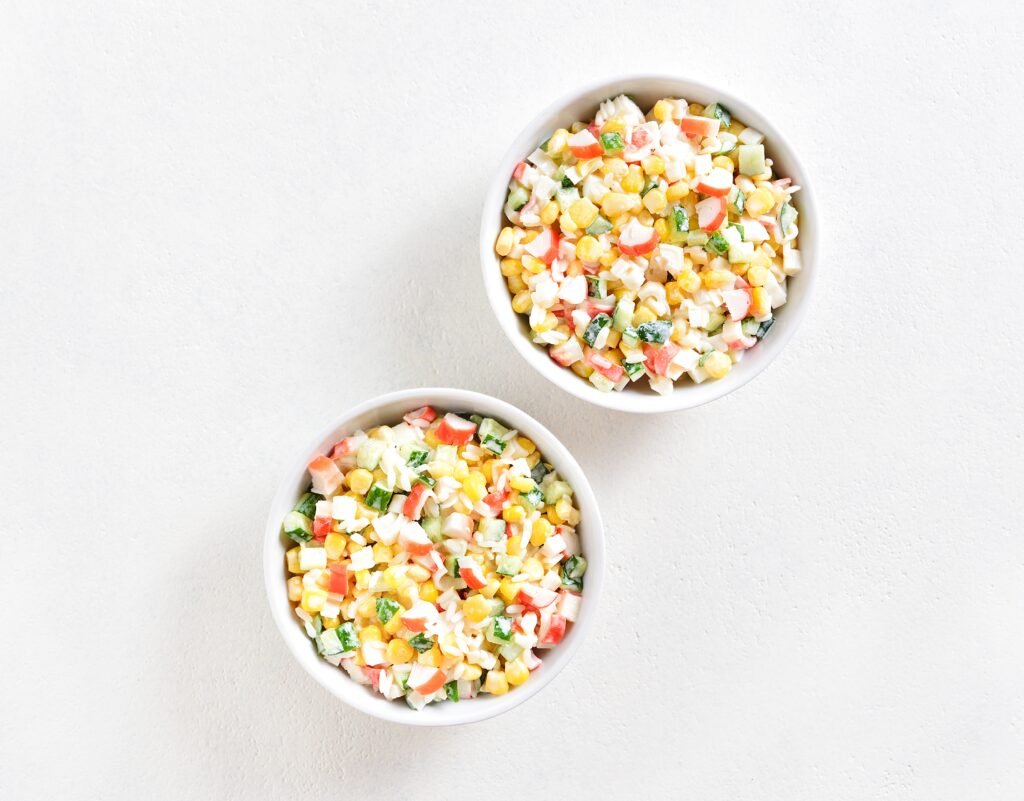
Fresh salsa representing a high-moisture refrigerated product for HPP review

Strong Candidates for HPP Review

  • Refrigerated, high-moisture products
  • Products sealed in flexible or pressure-tolerant packaging
  • Foods whose taste, texture, color, or nutritional qualities would be damaged by heat
  • Products seeking refrigerated shelf-life extension
  • Formulations seeking to reduce synthetic preservatives
  • Products requiring pathogen reduction or retailer validation support
Mixed seafood salad with visible particulates representing a product needing deeper technical review

Products Requiring Deeper Technical Review

  • Products with large particulates or mixed textures
  • Dairy-containing or emulsion-based products
  • Prepared proteins, seafood, or USDA-regulated products
  • High-fat, high-starch, or texture-sensitive formulations
  • Products with uncertain pH or water activity
  • Packages with fitments, closures, valves, high headspace, or untested seals
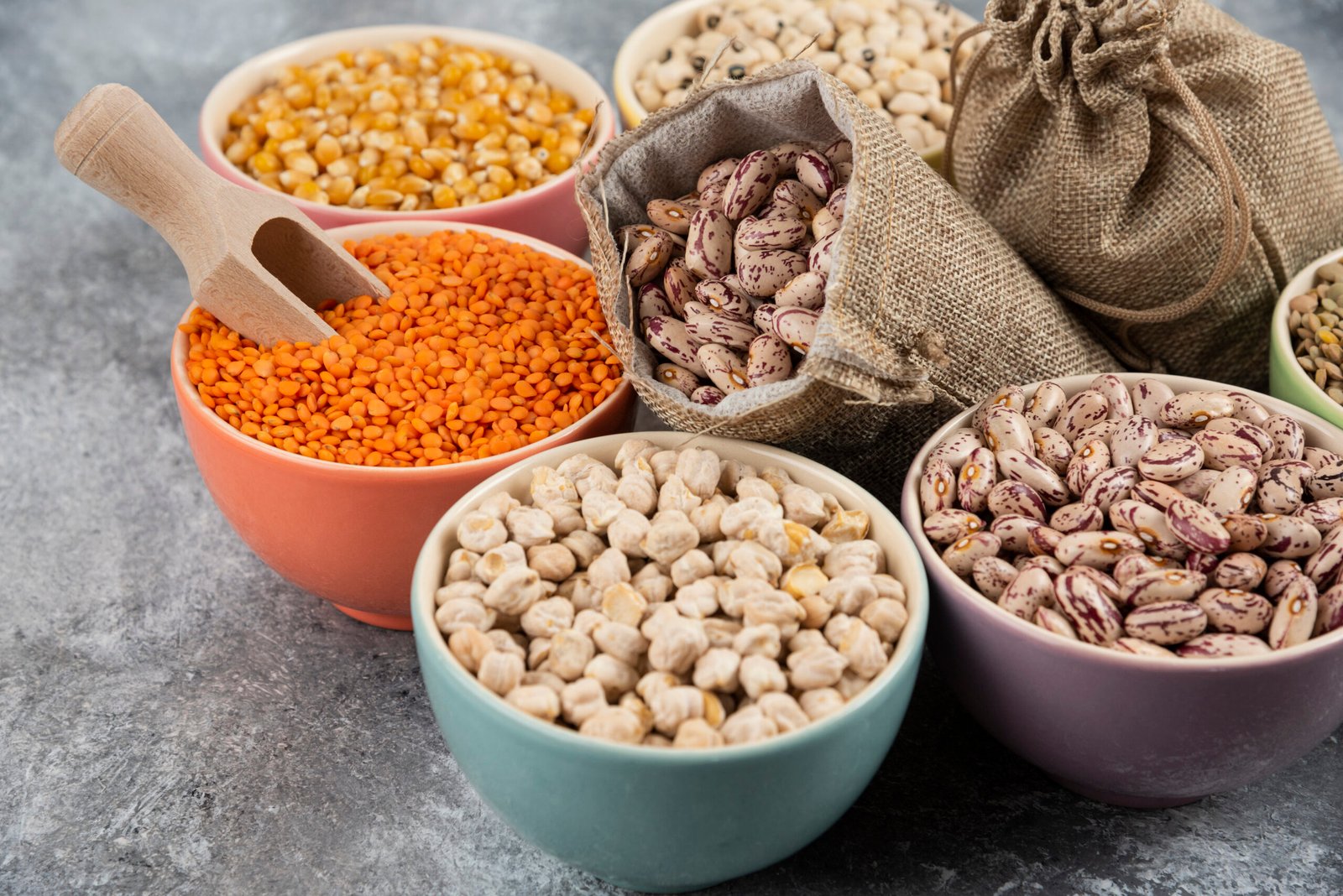
Unbranded bowls and sacks of colorful dry legumes representing low-moisture products usually not suited to HPP

Products Usually Not Suited to HPP

  • Dry, low-moisture products such as powders, crackers, dry snacks, or shelf-stable mixes
  • Products where crispness, aeration, or a fragile structure is the primary quality attribute
  • Products that cannot be sealed before processing
  • Products in glass, metal cans, or brittle rigid packaging
  • Products seeking ambient shelf stability without a formulation, package, and regulatory pathway that supports it
  • Products that cannot tolerate cold-water pressure without unacceptable sensory or packaging changes

Information Needed for a Product Review

The most useful product review considers formulation, packaging, food safety, refrigerated shelf life, regulatory category, and operating requirements together.

Include as much of the following as is available:

  • Product type and category— sauce, pouch, meal, dip, protein, side dish, beverage, or another refrigerated product
  • Current stage— idea, prototype, pilot-ready, commercial product, scale-up, or existing HPP program
  • Formulation basics— pH, water activity if known, viscosity, particulates, fat content, allergens, heat-sensitive ingredients, and sensory expectations
  • Packaging status— not selected, selected but untested, HPP-tested, HPP-validated, or needing packaging guidance
  • Regulatory category— FDA, USDA, or another applicable authority
  • Food-safety and shelf-life objective— pathogen reduction, refrigerated shelf-life extension, clean-label reformulation, retailer requirement, recall-risk reduction, or distribution expansion
  • Volume and timing— pounds per run, units per week, launch timing, and anticipated growth
  • Current supply chain— manufacturer, HPP provider, packager, cold storage, and freight relationships already in place
Send what you know. Early review is often most valuable before formulation, packaging, or validation decisions become expensive to unwind.

When Product Fit Is Unclear, Test Before You Scale

Many HPP launch problems are avoidable when formulation, packaging, and refrigerated shelf-life goals are evaluated before commercial production.

APC’s Innovation Center allows product-development teams to prepare a formulation, process it with commercial HPP equipment, and evaluate packaging, label performance, taste, texture, color, and other product-specific characteristics during the development process. APC can also coordinate with accredited laboratories when microbial shelf life, validation, or inoculation studies are required.

If the product is a fit, the work completed during development can carry forward into manufacturing, HPP, post-process assembly, and cold-chain planning.

Plain plastic food cups positioned in an HPP basket for package and product evaluation

Send APC Your Product Details

Include the product type, formulation stage, package format, food-safety or refrigerated shelf-life objective, estimated volume, and timing.