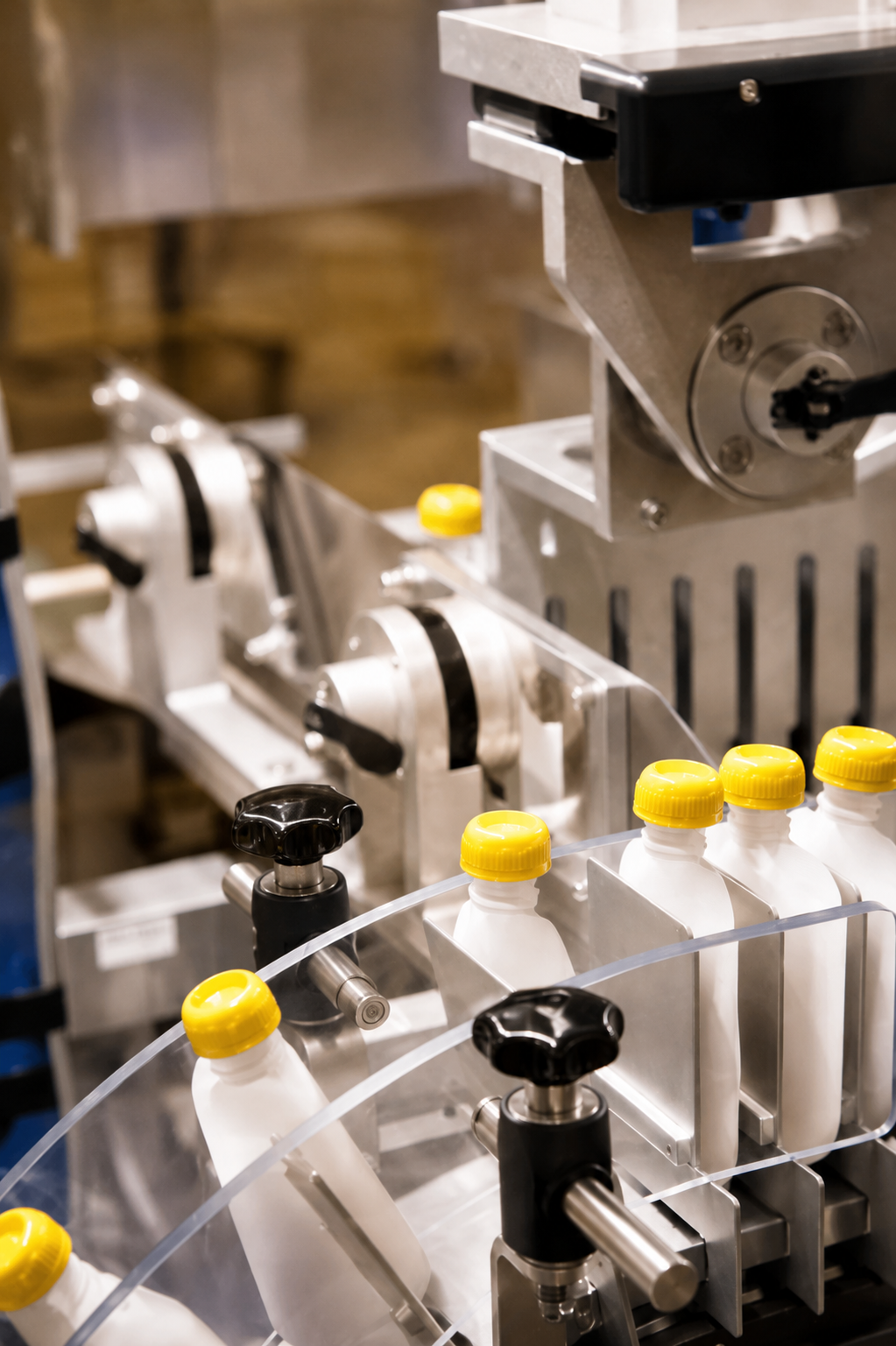
1. Product Development & Innovation Center
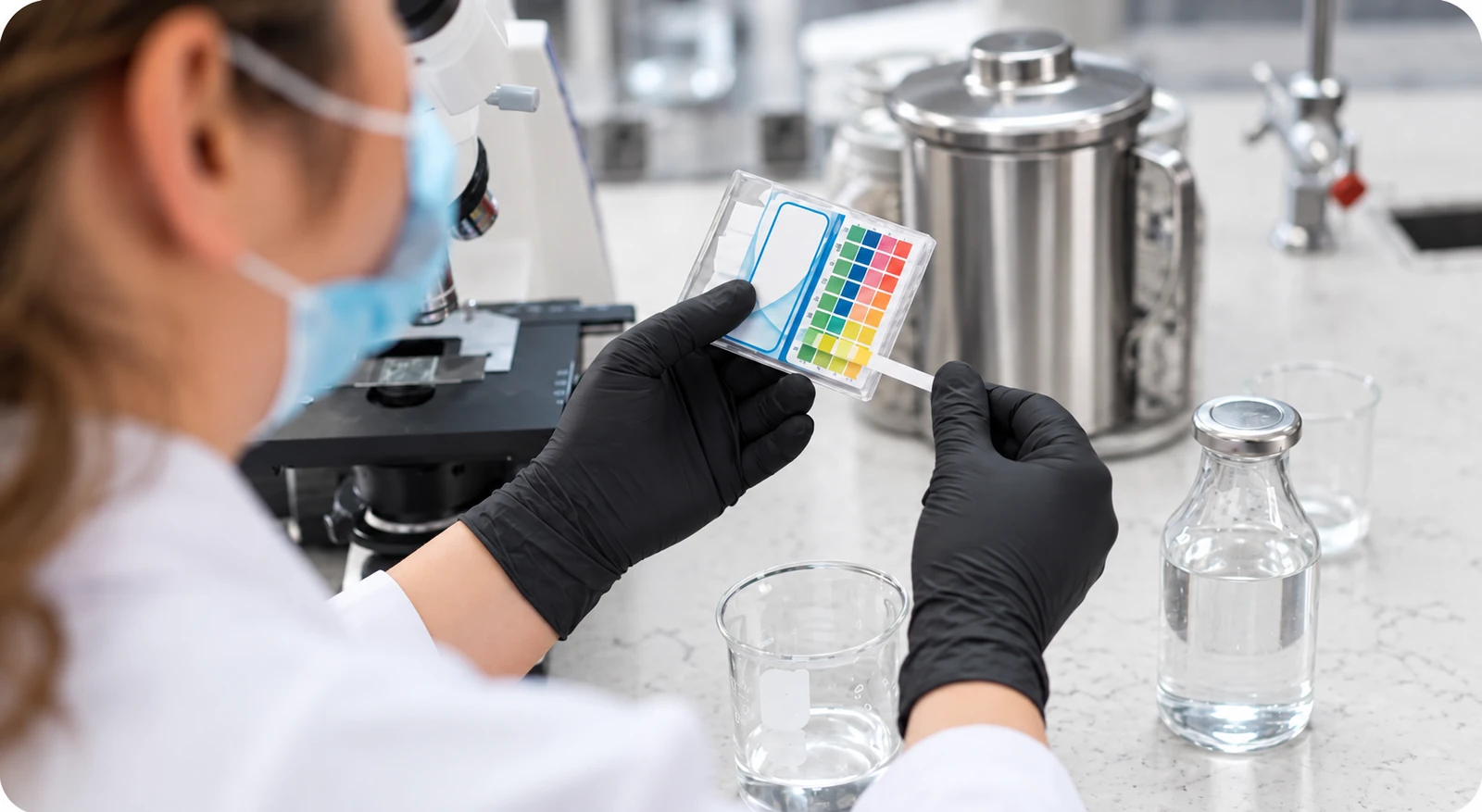
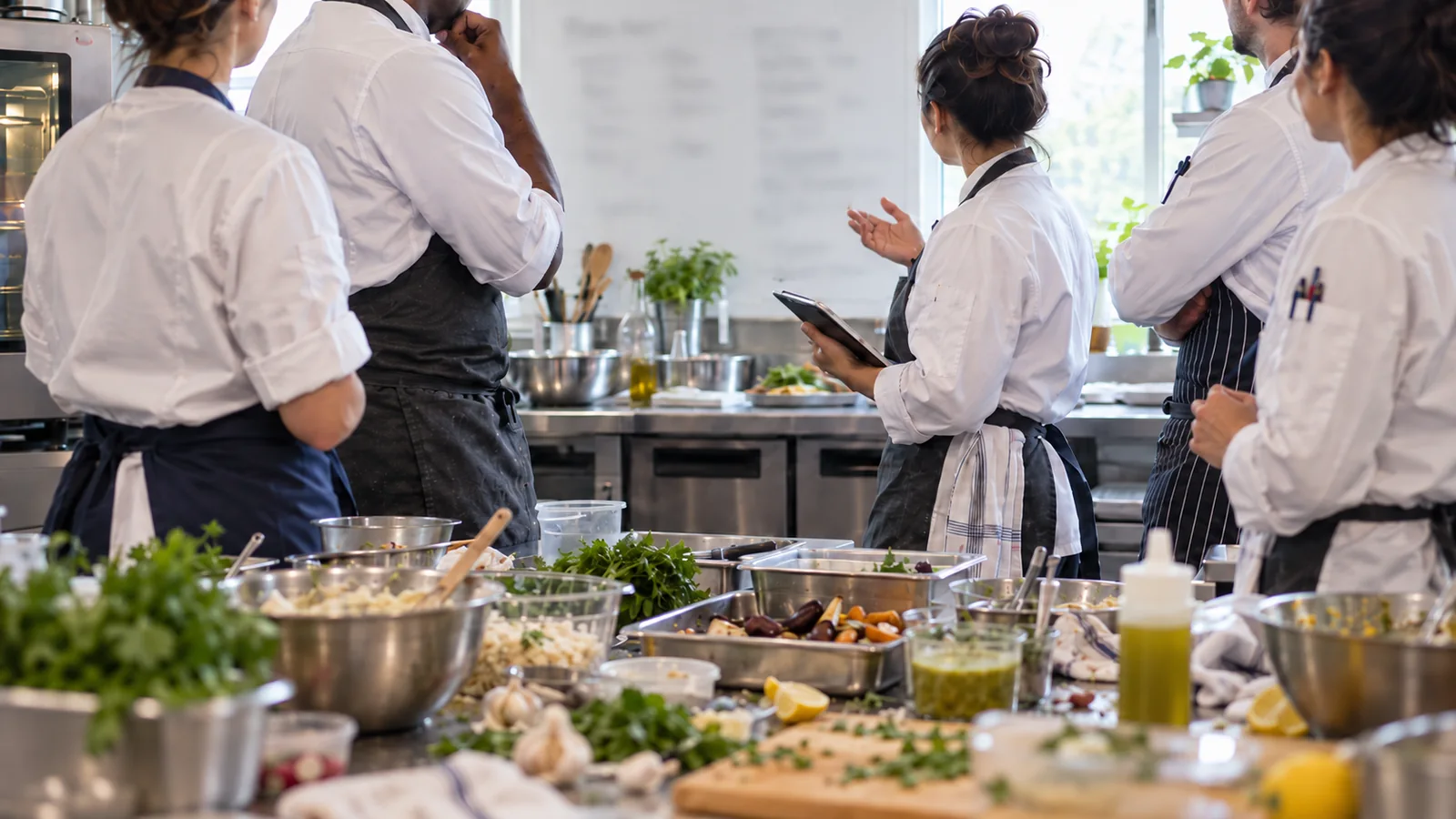
APC’s Innovation Center lets brands test formulation, HPP suitability, packaging compatibility, sensory quality, and refrigerated shelf-life targets before committing to full commercial production. The Milwaukee test kitchen is co-located with operating HPP systems, allowing development work to connect directly to the process that products will encounter at scale.
Teams can prepare samples, run them through HPP, and assess results in a single working session.
We put packaging and labels through full pressure cycles to confirm they hold up without seal failure, water ingress, material breakdown, or unacceptable visual change.

2. Premium Product Manufacturing
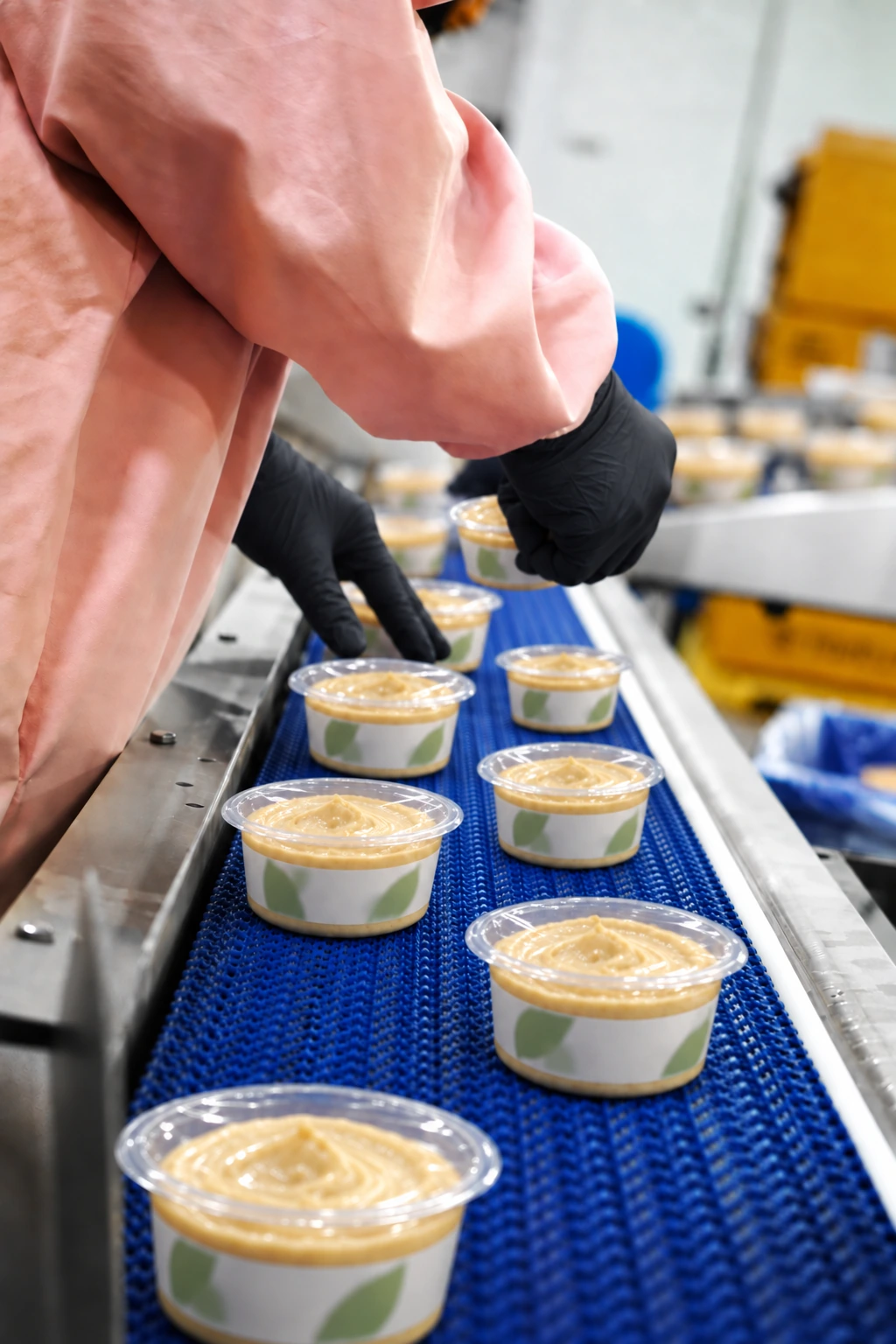
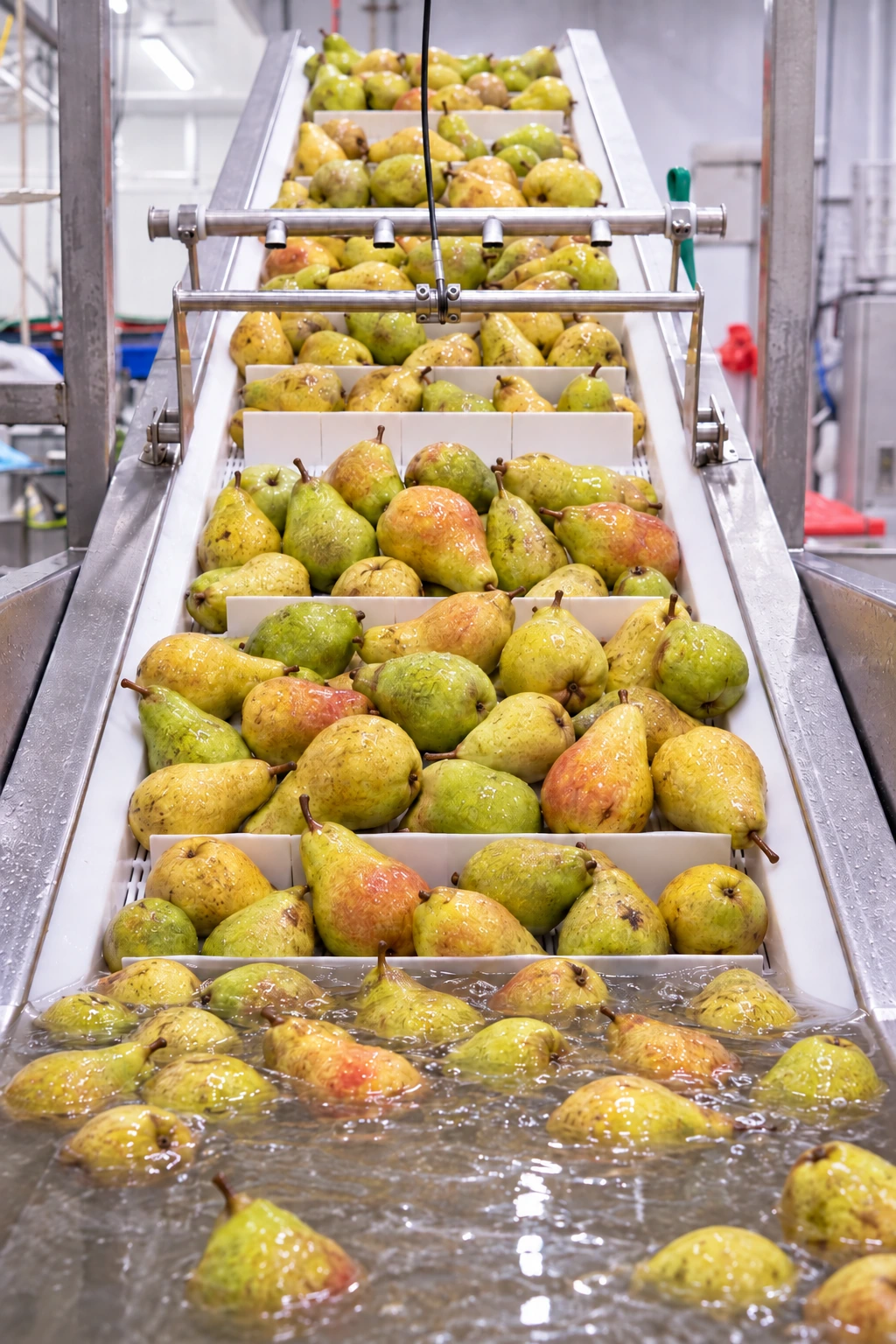
APC produces refrigerated, clean-label, ready-to-eat, specialty, and premium food products in facilities built around HPP.
Each manufacturing program accounts for the formulation, package format, regulatory requirements, production volume, and intended HPP parameters.
- Flexible batch sizes and high-volume capacity
- A range of packaging formats for fresh and ready-to-eat products
- Clean-label ingredient handling to meet consumer and retailer demand for minimally processed products
3. High-Pressure Processing & HPP Tolling
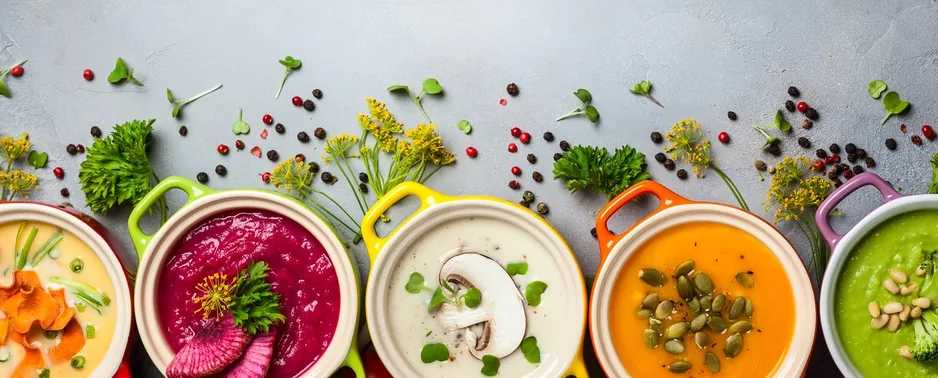
High-pressure processing uses extreme water pressure to deactivate target pathogens in products that have already been sealed in their packaging. It enhances food safety and extends refrigerated shelf life from days to weeks or months without high heat or synthetic preservatives.
- Preservation of taste, texture, color, and nutritional quality
- Support for clean ingredient labels
- Reduced spoilage and food waste associated with short refrigerated shelf life
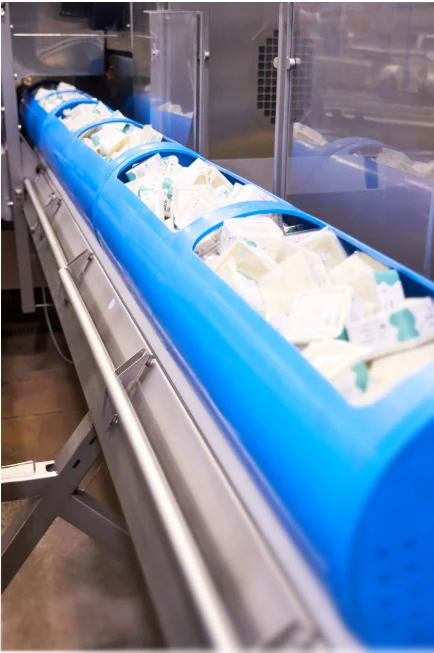
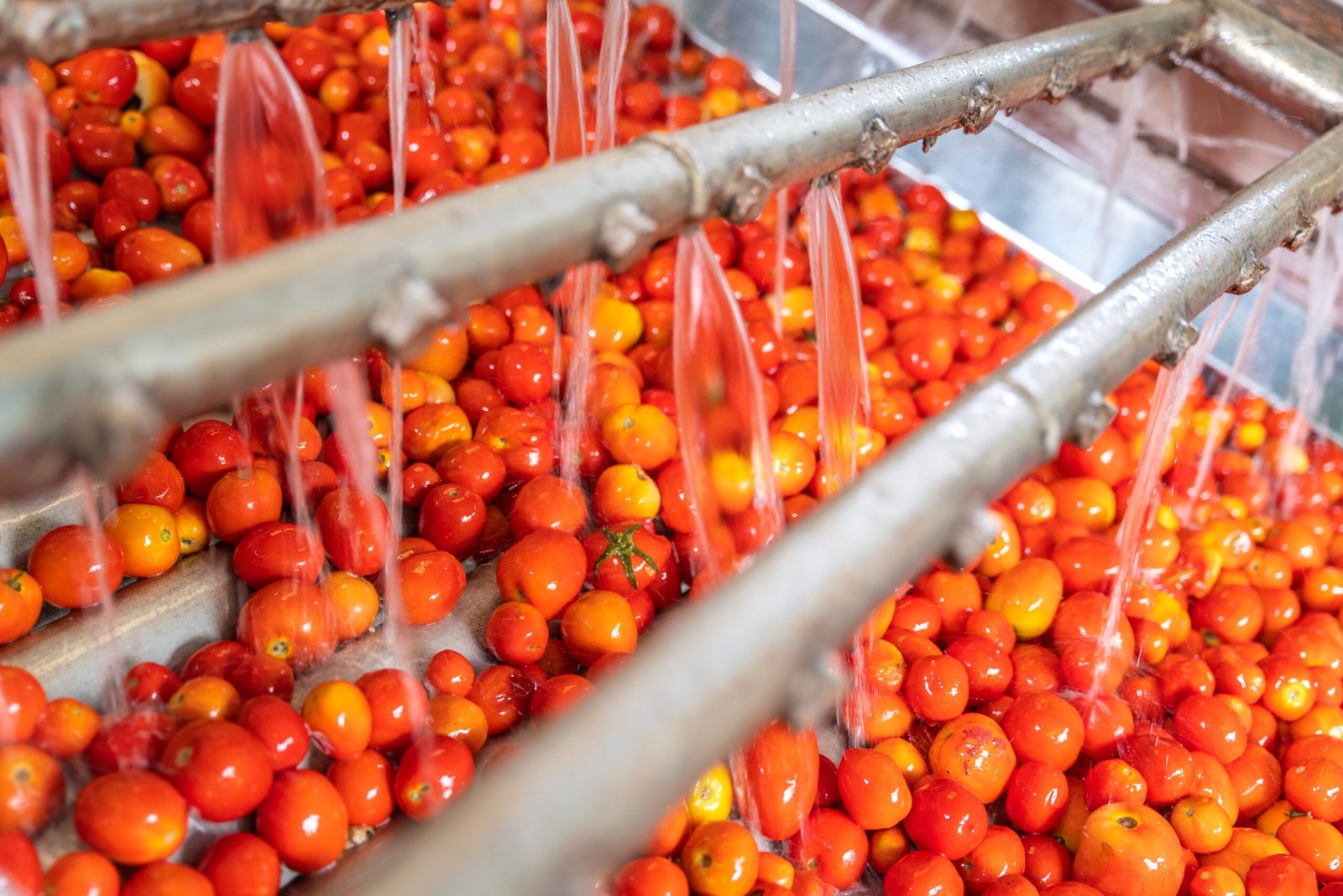
Customers manufacturing elsewhere can send their packaged products to APC for HPP at a simple per-pound price, rather than buying equipment, building infrastructure, and staffing specialized technical operations.
Capital that would have gone into an HPP installation remains available for marketing, ingredients, inventory, product development, and other business priorities.
4. Post-HPP Packaging, Assembly & Logistics
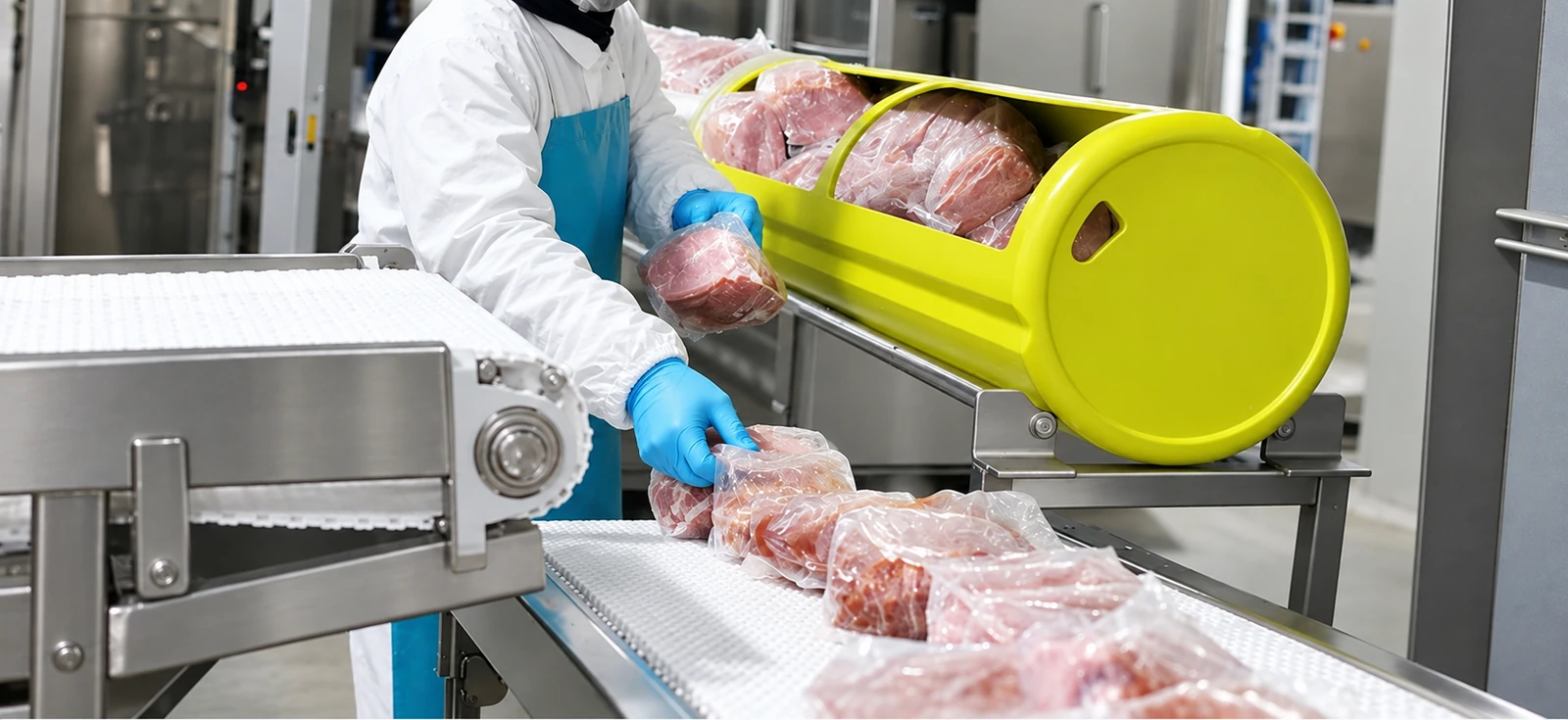
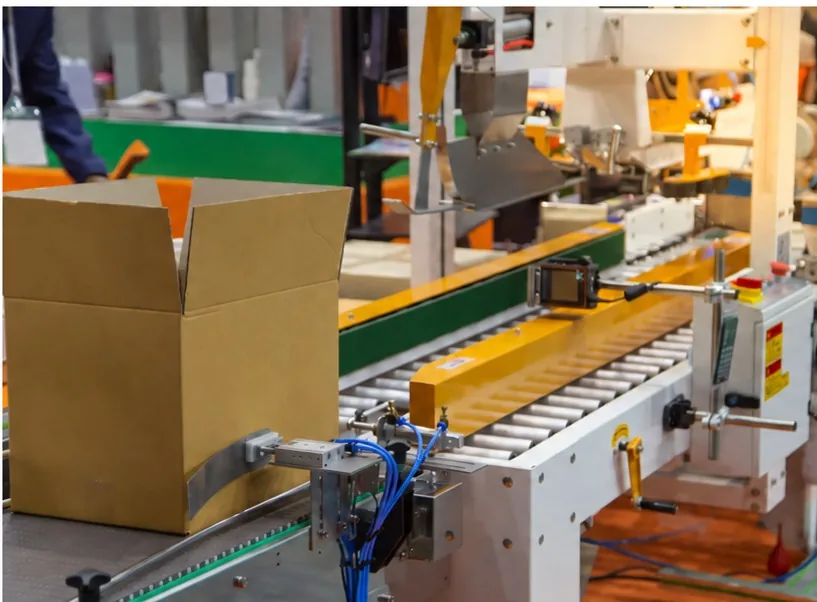
After HPP, we prepare products for retail or foodservice distribution before they leave our facilities.
Our team works with customers’ logistics providers to facilitate fast outbound shipments and keep the cold chain intact through distribution.